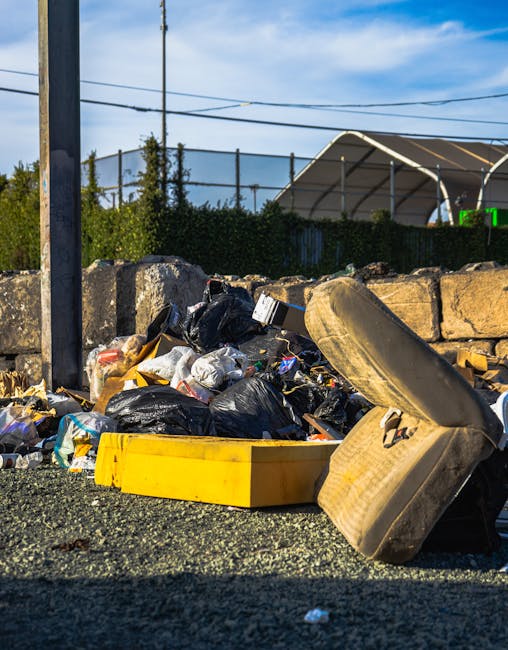
Lower Morden Waste Rules: Disposal, Recycling & Fines
If you live, work, or are moving in Lower Morden, waste can become a surprisingly annoying part of the job. One minute you are clearing a cupboard, the next you are staring at old furniture, mixed recycling, and a bin lid that will not quite close. The rules around disposal, recycling, and fines matter here because getting it wrong can lead to missed collections, fly-tipping problems, and avoidable penalties. This guide explains Lower Morden Waste Rules: Disposal, Recycling & Fines in plain English, so you can sort things properly, stay on the right side of local expectations, and make the whole process less stressful.
We will cover what the rules usually mean in practice, how waste is typically handled, what to do with common items, how recycling is expected to work, and the mistakes that often trigger trouble. You will also find a practical checklist, a comparison table, and some grounded advice from a moving-and-clearance point of view. To be fair, most waste problems are not complicated - they just happen when people are rushing.
Table of Contents
- Why Lower Morden Waste Rules: Disposal, Recycling & Fines Matters
- How Lower Morden Waste Rules: Disposal, Recycling & Fines Works
- Key Benefits and Practical Advantages
- Who This Is For and When It Makes Sense
- Step-by-Step Guidance
- Expert Tips for Better Results
- Common Mistakes to Avoid
- Tools, Resources and Recommendations
- Law, Compliance, Standards, or Best Practice
- Options, Methods, or Comparison Table
- Case Study or Real-World Example
- Practical Checklist
- Conclusion
- Frequently Asked Questions
Why Lower Morden Waste Rules: Disposal, Recycling & Fines Matters
Waste rules matter because they affect three things at once: cleanliness, compliance, and cost. In a place like Lower Morden, where homes, flats, gardens, and busy streets all sit close together, poor waste handling becomes visible quickly. A bag left beside a bin, a sofa dumped too early, or cardboard left loose in the rain can cause problems for neighbours, collection crews, and the wider street. Nobody wants to be that house with the blown-over rubbish on a windy morning.
There is also a practical angle. When waste is separated properly, it is easier to move, easier to collect, and easier to recycle. That saves time on moving day, after a renovation, or during a spring clear-out. It can also cut the risk of contamination, which is one of the most common reasons recyclable material ends up treated as general rubbish.
And then there are fines. Penalties may apply when waste is put out incorrectly, dumped illegally, or handed over to someone who cannot show they are authorised to carry it. Even if you never receive a fine yourself, you can still end up responsible for material that was left in the wrong place or passed to the wrong operator. That is why it is worth understanding the local picture before the van turns up or the builder starts loading the skip.
Practical takeaway: waste management is not just about tidiness. It is about knowing what goes where, when it can be removed, and who is responsible if something goes wrong.
How Lower Morden Waste Rules: Disposal, Recycling & Fines Works
At a basic level, waste handling in Lower Morden follows the same UK principles you would expect anywhere in London: separate recyclable materials where possible, avoid leaving items outside unless they are meant for collection, and use approved routes for bulky or special waste. The detail changes depending on the item, the time of collection, and whether the waste is household, commercial, or from a move.
In practice, the process usually works like this:
- You identify the type of waste: general rubbish, dry recycling, food waste, bulky items, garden waste, or something special such as electricals.
- You check whether it can go through normal kerbside collection, a booked bulky collection, a reuse route, or a licensed clearance service.
- You separate items as far as practical so recycling stays clean and general waste stays contained.
- You present the waste correctly, at the correct time, in the correct container or format.
- You keep a record or at least a basic paper trail for anything significant, especially if waste is from a move, a business, or a clearance involving multiple loads.
That paper trail sounds dull, I know. But it can save a headache later if someone asks where a load went. If you are arranging removals or a larger property clear-out, it is sensible to use a provider with clear handling standards. You can also review the company's approach to recycling and sustainability and check the practical side of insurance and safety before booking.
Fines are usually linked to avoidable behaviour: putting bins out incorrectly, leaving waste on the pavement, fly-tipping, or handing material to someone who is not properly equipped to take it. The problem is not just the money. It is also the time and stress of dealing with complaints or enforcement after the fact.
Key Benefits and Practical Advantages
Following waste rules properly brings a lot of small advantages that add up fast. The obvious one is avoiding fines, but the day-to-day benefits are often more useful. Things go smoother. Collection is easier. People complain less. And if you are clearing a property or moving house, you are not left with a pile of awkward leftovers at the end of the day.
- Cleaner disposal: waste stays in the right stream, which helps prevent contamination.
- Better recycling rates: cardboard, cans, clean plastics, and similar materials have a far better chance of being recovered.
- Lower stress: you know what needs to be done and do not have to guess at the last minute.
- Reduced neighbour friction: less mess outside means fewer complaints and less visual clutter.
- Safer handling: broken furniture, sharp packaging, and heavy bags are handled more sensibly.
- Stronger compliance: especially useful for landlords, tenants, small businesses, and anyone dealing with an inspection or handover.
There is a quieter benefit too. When rubbish is sorted properly, you tend to notice how much you actually have. That can change the way you pack, move, and buy things in future. Honestly, a lot of people only discover they own three spare kettles and a mountain of cable ties when they start dealing with waste properly.
Who This Is For and When It Makes Sense
These waste rules matter to a lot of people, not just those doing a full house clearance. If any of the situations below sound familiar, it is worth paying attention.
- Home movers: especially when sorting old furniture, packaging, and items not worth taking.
- Landlords and tenants: for end-of-tenancy clearances and leftover household waste.
- Homeowners renovating: plasterboard, timber offcuts, packaging, and old fittings often create mixed waste streams.
- Small businesses: office waste, cardboard, broken chairs, and IT equipment need careful handling.
- Families downsizing: there is often a mix of charity donations, recycling, and disposal.
- Anyone booking a clearance or removals service: it helps to know what will be taken, what will be recycled, and what may need a separate arrangement.
If you are in the middle of a move, it can help to compare the service style you need. Some jobs suit a straightforward man with van approach, while larger or more complex clearances may be better matched to broader removal services or even a full removals package. The right fit depends on volume, access, timing, and how much sorting is still to be done.
Step-by-Step Guidance
If you want to handle waste properly without overthinking it, use this simple sequence. It is not glamorous, but it works.
- Separate the waste by type. Start with recycling, general waste, bulky items, electricals, and anything that may need special handling.
- Remove reusable items first. Good furniture, household items, and working appliances should not be binned just because they are inconvenient.
- Flatten and bundle what you can. Cardboard boxes, packaging, and wrapping become much easier to manage when they are collapsed and tied.
- Check what your collection accepts. Some materials are easy to assume are recyclable when they are not, especially mixed packaging or heavily soiled items.
- Book the right collection route. A standard bin collection is not the same as a bulky pickup or a commercial clearance.
- Set items out correctly and on time. Timing matters. So does placement. A bag in the wrong place can become a nuisance very quickly.
- Keep a note of who took what. If you used a remover or clearance provider, save the paperwork and confirm disposal arrangements where relevant.
A small example: if you are clearing a flat on a Friday afternoon, put aside one box for reuse, one for dry recycling, one for general waste, and one for electrical items. That tiny bit of structure saves the "where did that charger go?" chaos later on.
Expert Tips for Better Results
Here are the habits that tend to make waste handling easier and more compliant, especially when time is tight.
- Start one room early. Even ten minutes on a hallway or utility room can reduce pressure later.
- Keep recyclables clean and dry. Wet cardboard is far less useful and often harder to process.
- Do not mix liquids with dry waste. A leaky bottle can spoil a whole bag or box.
- Be strict with electricals. Cables, monitors, small appliances, and batteries need more care than standard rubbish.
- Ask how bulky items will be handled. Sofas, wardrobes, mattresses, and tables are not all treated the same way.
- Use the right vehicle for larger loads. If you are moving a houseful of unwanted items, something like a moving van or a properly planned clearance load is usually more sensible than trying to cram everything into a small run.
One thing people often underestimate is access. Narrow hallways, stairwells, and tight parking on residential streets can change how waste should be moved. If there is awkward access, plan for smaller loads and quicker handovers rather than assuming everything will just disappear. It rarely does, not cleanly anyway.
Common Mistakes to Avoid
Most waste issues happen because somebody is in a hurry, not because they are careless. Still, the same mistakes come up again and again.
- Leaving bags beside bins because they do not fit. That often creates a visual mess and can attract complaints.
- Mixing recycling with food waste. One contaminated bag can ruin a whole recycling load.
- Dumping items "temporarily" on the pavement. Temporary has a habit of becoming permanent.
- Assuming all providers handle waste legally. They may not. If a carrier cannot explain their process, that is a red flag.
- Forgetting about heavy or awkward items. Mattresses, wardrobes, and damaged white goods are often the items that cause delay.
- Ignoring paperwork. If something goes wrong, a simple record is worth its weight in gold.
One more subtle mistake is overfilling bins just to get rid of everything in one go. It feels efficient at the time, then the lid will not close and the whole thing becomes someone else's problem. Usually yours.
Tools, Resources and Recommendations
You do not need a complicated toolkit to deal with waste properly, but a few basics help a lot.
- Heavy-duty bin bags: better for sharp packaging or damp contents.
- Marker pen and labels: useful for separating recycling, donations, and disposal.
- Box cutters and tape: helpful for flattening cardboard safely.
- Gloves: especially when handling old furniture, garden waste, or dusty loft items.
- Ratchet straps or twine: useful for bundling cardboard and lightweight materials.
- A simple waste log: keep a note of dates, items, and where they went if the load is significant.
For bigger clearances, it also helps to use a company that understands both handling and timing. If you are comparing providers, look at pricing and quotes carefully so you understand what is included, and review the company's terms and conditions before booking. That is not being fussy. That is just sensible.
If you are managing a move as well as waste, you may also want a team that can help with packing, lifting, and transport in one go. Services such as packing and unpacking services or man and van removals can reduce the number of separate decisions you have to make.
Law, Compliance, Standards, or Best Practice
This is the section where people often want a neat yes-or-no answer, but waste compliance is a little more layered than that. In the UK, households and businesses are expected to dispose of waste responsibly, avoid fly-tipping, and use legitimate carriers or collection routes. Local rules can vary depending on the type of property, the nature of the waste, and the collection arrangement in place.
In plain terms, good practice usually means:
- do not leave waste on public land unless it is meant for collection;
- separate recyclable materials where practical;
- do not hand waste to unverified carriers;
- avoid mixing hazardous or electrical items with standard rubbish;
- check any local collection instructions before placing items outside;
- keep evidence if you have arranged a private clearance or removal.
For businesses, the expectations are usually stricter, especially if waste is generated in volume. Commercial material may need clearer separation, better records, and more care over who removes it. That is one reason commercial moves and business relocations should always include a waste plan, even a simple one.
Good rule of thumb: if you would struggle to explain where the waste came from and where it is going, it probably needs a better process.
Options, Methods, or Comparison Table
Different waste situations call for different approaches. A quick comparison can help you choose the least painful route.
| Method | Best for | Pros | Watch-outs |
|---|---|---|---|
| Kerbside bin collection | Routine household waste and clean recycling | Simple, familiar, low effort | Strict on timing and contamination |
| Bulky waste collection | Single large items, such as furniture or mattresses | Less manual work, more convenient than self-haulage | May require booking and item restrictions |
| Private clearance service | Mixed loads, larger clear-outs, awkward access | Flexible, quicker, less lifting for you | Needs trust, clear terms, and proper handling |
| DIY tip run | Small loads when you have transport and time | Full control over sorting | Time-consuming, physically demanding, easy to mis-separate waste |
| Reuse or donation first | Usable furniture, appliances, and household items | Least wasteful, often the kindest option | Requires coordination and condition checks |
For many people in Lower Morden, the right answer is a mix of methods. Donate what is genuinely reusable, recycle clean packaging, and use a proper clearance route for the rest. That is usually the sweet spot.
Case Study or Real-World Example
A typical local scenario goes like this. A family is moving from a two-bedroom house after ten years in the same place. There is old furniture in the spare room, cardboard from appliances, garden waste from a shed clean-up, and a few broken items that no longer justify keeping. The first instinct is to put everything out in one big rush. Easy to say, harder to do when you are staring at it at 7:30 in the evening.
Instead, they sort the load into three groups. First, usable items are offered to family or set aside for reuse. Second, clean cardboard and packaging are flattened for recycling. Third, the awkward bits - broken shelving, mixed waste, and damaged items - are placed into a proper disposal load. The family uses a service that can handle removal and transport efficiently, and the result is a much calmer move. Less clutter in the house. Fewer last-minute decisions. No mystery pile at the front gate.
The lesson is simple: waste problems shrink when you break them into small, specific decisions. That is true whether you are moving a whole house, clearing an office, or just trying to get your life back after a busy weekend.
Practical Checklist
Use this checklist before you put anything out for collection or book someone to remove it.
- Have I separated recycling, general waste, and bulky items?
- Are any items reusable, repairable, or suitable for donation?
- Have I removed batteries, loose liquids, or unsafe contents?
- Is the waste clean enough to be accepted in the right stream?
- Do I know when and where it should be placed for collection?
- Have I checked whether the item needs special handling?
- Do I know who is taking it and whether they are properly set up to do so?
- Have I kept any useful notes, photos, or paperwork?
- If I am moving, have I planned the waste route alongside the removal plan?
- Do I need help from a local team that understands both clearance and transport?
Before the moving day rush kicks in, it can also help to look at home moves options if the waste is tied to a relocation, or removals near me if you want a more local, practical service comparison. Sometimes the simplest route is the best one.
Get a free quote today and see how much you can save.
Conclusion
Lower Morden Waste Rules: Disposal, Recycling & Fines are really about keeping ordinary life manageable. Separate what can be recycled, dispose of the rest properly, and do not leave grey areas to chance. That one habit can protect you from fines, reduce mess, and make home clear-outs or moves feel far less chaotic.
If there is one thing to remember, it is this: waste handled well becomes one less thing to worry about. And when you are already juggling keys, boxes, bins, and deadlines, that matters more than people expect. A calm finish is underrated.
When in doubt, slow down, sort properly, and choose the route that is clear, lawful, and practical. It really is the little decisions that keep the bigger messes away.
Frequently Asked Questions
What are the main Lower Morden waste rules I should follow?
The main rules are straightforward: separate recycling from general waste, place waste out correctly for collection, avoid leaving rubbish on public land, and use proper channels for bulky or special items.
Can I put broken furniture out with my normal rubbish?
Usually not. Bulky items such as sofas, tables, and wardrobes often need a separate collection or a clearance service, especially if they are too large for standard bins.
What happens if I leave waste outside too early?
Leaving waste out early can cause obstruction, complaints, and in some cases penalties if it creates an issue on a public pavement or communal area. Timing matters more than people think.
Are all plastics recyclable in Lower Morden?
Not necessarily. Recycling rules depend on the collection system and local guidance. Clean, accepted plastics are usually fine, but mixed packaging or contaminated items can be rejected.
How do fines happen with waste disposal?
Fines may follow fly-tipping, improper presentation of waste, misuse of bins, or handing waste to an unlicensed or unsuitable carrier. The exact circumstances vary, so it is best to be careful.
Do I need a special service for office waste?
Often yes, especially if there is a mix of cardboard, furniture, documents, and electrical equipment. Business waste usually needs more structure than household waste.
Is it better to reuse items before recycling them?
Yes, if the items are safe and usable. Reuse or donation is often the best first step, followed by recycling, with disposal used for anything that cannot be recovered.
What should I do with old electrical items?
Electrical items should be separated from normal rubbish. Depending on the item, they may need a dedicated recycling or collection route because of components and safety considerations.
Can a removal company take my waste as part of a move?
Some can, but you should confirm exactly what is included and how waste is handled. It is wise to check the service details, insurance, and disposal arrangements before booking.
How can I avoid contamination in my recycling?
Keep recycling clean, dry, and separated. Do not mix food waste, liquids, or general rubbish into recyclable bags or containers. One dirty item can spoil the rest.
What is the safest way to deal with mixed waste during a house move?
Sort into clear groups: keep, donate, recycle, and dispose. Then use the right transport or clearance option for each group. A little order at the start saves a lot of faffing later.
Where can I get help if I have a large clearance in Lower Morden?
Look for a local service that can handle transport, lifting, and disposal in one organised process. If you want to keep things simple, choose a provider with clear terms and a sensible recycling approach.